

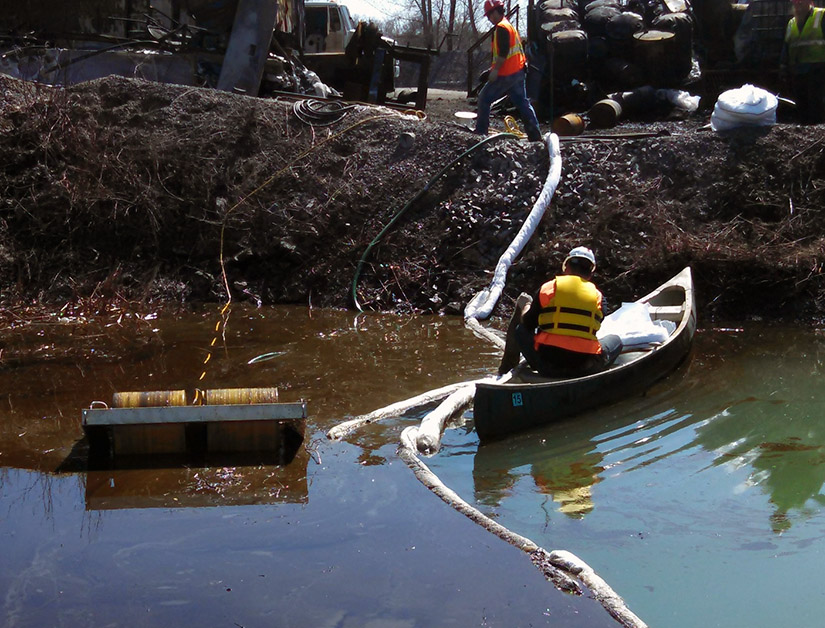
Emergency planning can be interpreted differently by different people. When someone thinks about emergency plans for an organization, Emergency Action Plans (EAPs) are often the first thing that comes to mind. EAPs are required by the Occupational Safety and Health Administration (OSHA) and outline the actions that employers and employees should take during an emergency.
While some workplaces might only require an EAP, industrial operations require additional levels of emergency response planning to identify risks and implement protocols for response to scenarios such as chemical leaks or spills and environmental incidents. These risks, and the actions required for incident stabilization, are outlined in individual emergency response plans.
What Is an Emergency Response Plan?
Emergency response plans are action-oriented and include several layers of processes and protocols for how an organization, its employees, and contractors should respond to specific types of incidents. These plans consider both human and physical assets, and how they could impact the environment.
As with any environmental regulatory matter, there is no “one-size-fits-all” emergency response plan for industrial facilities. Numerous types of plans exist, and a multitude of triggers determine which ones will apply to your operation. For example, chemical-related considerations will not apply in every scenario. There are also specific plans that apply to producers and transporters of hazardous material or hazardous waste.
Remember, incidents at industrial facilities are not always catastrophic. Emergency planning also applies to “highest potential or anticipated incidents,” such as small-scale leaks or spills. The goal is to understand your risks and how to manage them, so incidents don’t become larger problems if not reported and addressed quickly and properly.
Examples of Regulatory Emergency Plans
A few examples of common industrial emergency plans are listed below. Each has a number of individual scenarios that determine how the plan should be written for the operation.
- Spill Prevention, Control, and Countermeasure (SPCC) Plan
- Federal Railroad Administration (FRA) Hazardous Material Safety Action Plans
- Facility Response Plan (FRP)
- Chemical Management Plan (Handling and Separation)
- Geographical Response Plan
Standard Emergency Planning Categories
Emergency planning involves the internal and external assets required to respond to an incident or situation. You will need to include contingency plans outlining the hypothetical scenarios, and the applicable emergency plans outlining the actions you want designated parties to take if the incident occurs.
Your comprehensive plan should include, at a minimum, actions for each of these categories:
- Employee protections such as safety training, alert systems, communication protocols, and emergency evacuation procedures.
- Environmental protections, including hazardous substance handling and storage, and protocols to prevent and mitigate spill or release incidents.
- Environmental response plan outlining how internal parties should (and should not) respond to an incident, contact protocols and details for your emergency response partner, and the details of your incident command system.
What Is the Process for Developing Emergency Plans for Industrial Facilities?
Various regulatory, corporate, and contractor notifications apply to incident response. Your emergency planning should be a coordinated effort involving your corporation, team, regulatory agencies, local emergency response agencies, and an environmental engineering consultant.
Plan for Foreseeable Hazards and Threats
Determining the types of response and planning required by a facility generally begins with an operational analysis. Determining which regulatory programs apply to your operation and comparing the requirements to your existing emergency response plan is a critical first step.
One of the things we do at Pinnacle Engineering is perform tabletop exercises to help define your likely release scenarios. The planning exercises are conducted with your leadership and facility maintenance staff to help you walk through possible scenarios and define the internal and external roles for incident stabilization and response.
The details discussed during emergency planning exercises are used to write the procedures for each plan. Drone technology is often used during these exercises to evaluate the locations of shut-off valves, tanks, water/wastewater lines, and other assets relevant to potential emergency scenarios.
Reassessments should be performed at least every three years. Changes in operational processes would trigger an earlier reassessment.
Account for Every Potential Risk and the Required Response
Every detail matters in industrial emergency planning. You will need to identify every risk, and any factors that could affect incident response times.
For example, how quickly can your local fire or emergency response department (fire and medical) reach your facility? If you are in a rural or extremely remote location, you will likely need to rely more heavily on your internal people for incident stabilization. If that is the case, you will require more extensive training for your staff to understand their roles and how to respond to the emergency.
Another consideration is that emergency response sometimes has a time limit. In the case of oil spills and facilities subject to the EPA’s FRP requirements, for example, you are required to have a contractor on site within a specified time period, or your internal staff is trained to respond to the incident until help can arrive. Do you have an environmental response partner with the proper equipment and who can respond to your incident within the required timeframe?
You also need to consider factors that could affect whether people can execute the tasks outlined in your plan. For example, your response plan for a tank release requires someone to shut off an emergency valve. Is that valve still in the same location, and is it easily accessible? Or is it located outside and rusted from years of environmental exposure? Preparing for these situations helps people act more quickly in an emergency.
Finalizing Your Facility’s Emergency Plan
After conducting the regulatory review and potential spill scenarios, your environmental engineering consultant will help you develop a comprehensive emergency action plan. As mentioned, the purpose is to plan for “highest potential and anticipated incidents” in addition to emergency response for catastrophic events. Your consultant will consider anything that applies to your operation, based on the individual regulatory scenarios applicable to specified areas, including production, storage, and transportation.
Plans can be structured to satisfy OSHA’s EAP requirements and the regulatory-based incident response protocols required by local, state, and federal agencies. When you develop a comprehensive plan, all the pieces fit together to help your operation mitigate risks and remain compliant with environmental regulations.
Emergency Response Plan Training and Education for Employees
It is important to remember that emergency planning does not end with creating the documentation. You must also train your employees on the areas that apply to them. Clear instructions must be provided on when they should take action versus when to call a professional response team. It is natural for people to want to jump in to help when an incident occurs; however, without proper training, their actions could result in serious injury or death and make the situation worse.
Being able to communicate the details of your emergency plan is also important. Operations and safety managers should also be able to walk agency representatives through the plan during an audit or site visit. Annual retraining for existing staff and onboarding for new staff on emergency plan procedures are both critical to regulatory compliance and maintaining a safe workplace environment.
One way Pinnacle Engineering helps clients achieve this is by developing a guidance document that your plant can use in emergency situations or during inspections. We help you stay organized so your people know where the plan documents are located, what the plan entails, and how to explain the details to other employees and regulatory agency representatives.
Successful Emergency Planning and Response
Understanding and documenting your operation relies on historical knowledge. In older facilities, frequent changes in safety roles often leave documentation incomplete or outdated.
A partner familiar with your operation’s history and policies streamlines emergency planning. They help verify facility maps and procedural documents, then digitize them for easier updates and access.
Pinnacle Engineering takes a holistic approach to supporting industrial facility operators with regulatory emergency planning. We identify which emergency plans are required or recommended for environmental compliance based on your operations, and can guide you in creating compliant programs.
Acting as an internal part of your team, we provide training, implementation support, and emergency response services to help you manage workplace safety and regulatory compliance.